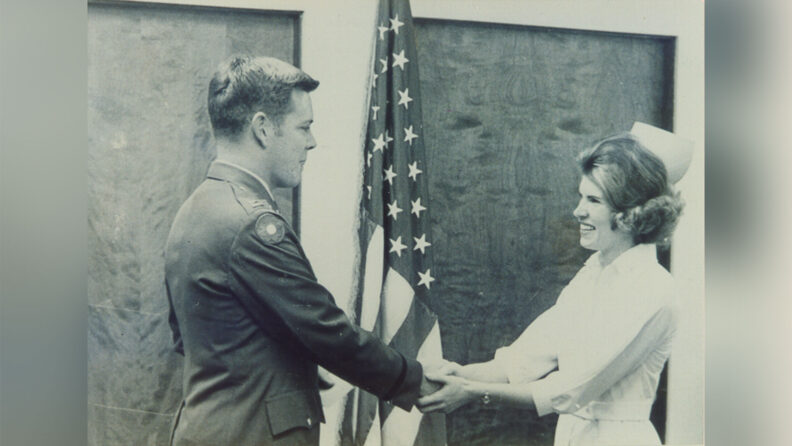
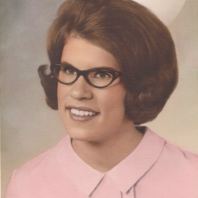
Carol (Isaac) Huebner is an Army nursing veteran whose 31-year military career included 23 assignments in clinical care, administration, research and education. Huebner studied nursing through Whitworth College when it partnered with WSU in the Intercollegiate Center for Nursing Education consortium. She and her husband support both Whitworth University and the WSU College of Nursing.
Carol Huebner’s first Army nursing assignment took her to the open-heart surgery recovery unit at Walter Reed Army Medical Center in Washington, D.C.—the farthest from home she had ever been.
There, she quickly learned two lessons that would guide her through 31 years of military service: the importance of teamwork and the understanding that she could not know everything at the beginning.
Across 23 assignments, Huebner cared for critically ill patients, led nursing teams and helped expand care for military families. She credits her nursing education in Spokane with preparing her for that work.
“My nursing education in Spokane was the firm foundation that prepared me well for a full career of service to the nation,” she said.
An introduction to Army nursing
Huebner’s path into the military began with her brother Al, an infantry captain who served two combat tours during the Vietnam War. Impressed by Army nursing, he told her an Army nurse counselor would visit campus to meet with her.
Huebner was a sophomore at Whitworth College when she was recruited into the Army Student Nurse Program. At the time, Whitworth partnered with Washington State University through the Intercollegiate Center for Nursing Education consortium.
The opportunity to serve her country through nursing appealed to her. Her appreciation for the education she received through both institutions has continued: Huebner and her husband support Whitworth University and the WSU College of Nursing.
Caring for soldiers and families
Huebner’s assignments brought her to Army medical centers, community hospitals, schools and centers.
In Korea, she cared for soldiers and family members with Korean hemorrhagic fever, which often resulted in kidney failure. That experience helped her understand the military’s responsibility to care for service members and their families in peace and war.
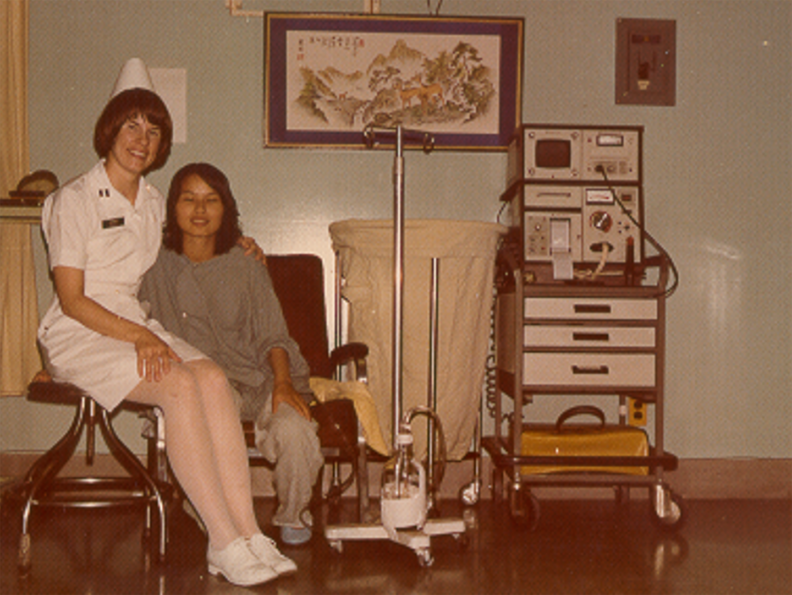
About a decade later, she returned to Walter Reed as head nurse of the surgical intensive care unit. There, she led staff caring for injured Afghan fighters evacuated for treatment. She remembers the assignment as a meaningful example of how military nursing could support people beyond the U.S. armed forces.
Her work also required finding practical solutions to urgent needs at home.
While serving as deputy commander for nursing at Darnall Army Hospital at Fort Hood, Texas, Huebner was tasked with expanding the neonatal intensive care unit. The hospital needed more capacity to care for newborns requiring intensive treatment and reduce the need for costly evacuations.
The commander gave her 12 weeks.
Huebner assembled an interdisciplinary team to address the clinical and logistical requirements. Keeping the different disciplines communicating and collaborating was central to the effort. The expanded unit opened on time.
“Army Nurses get things done!” she said.
Growing into leadership
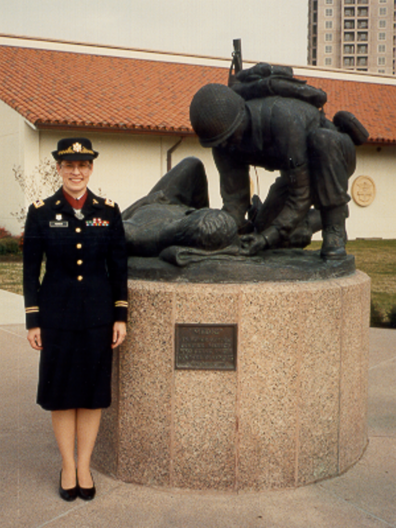
Over her career, Huebner’s responsibilities grew from caring for one patient to overseeing groups of patients, hospital sections and entire nursing services. She served as a hospital chief nursing officer and eventually as nurse executive for the Army Medical Command Healthcare System.
Her work spanned clinical practice, administration, research and education—areas she connects through the acronym CARE.
“Serving in the military formed me into a confident leader of teams,” she said.
Adaptability was part of that development from the beginning. After just 12 months at her first duty station, Huebner received orders to move. When she asked her supervisor why she was being reassigned so soon, the answer stayed with her: moving helped build the ability to adapt to unfamiliar situations, environments and people.
That lesson informs her advice to WSU nursing students in ROTC. She encourages them to be organized, disciplined, ready, positive and flexible. Preparing to deploy, she said, requires both clinical readiness and personal readiness for uncertainty.
For Huebner, those habits supported a career that began at a patient’s bedside and grew into leadership across an Army health care system.