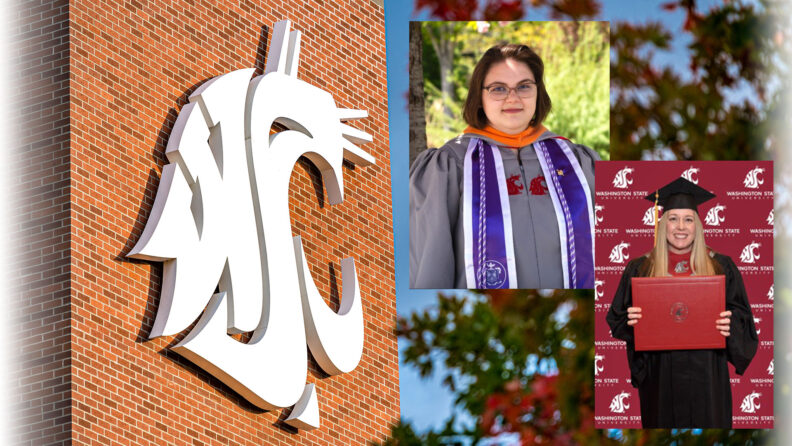
Washington State University College of Nursing alumnae Anissa Skidmore, BSN ’25, and Jenifer Brewer, MN ’25, both grew up with ties to the veteran community. This Veterans Day, they share how those connections led them to VA nursing and what they’ve learned about caring for veterans and their families.
A connection that began in childhood
Growing up in a small Montana town, Skidmore volunteered alongside her family through the local American Legion. They helped with everything from spaghetti feeds to veterans’ funerals.
“Those experiences gave me an early appreciation for the veteran community, so working with veterans as a nurse feels like a natural extension of those childhood experiences,” Skidmore said.
For Brewer, that connection began at the VA itself. She took her first steps in a Seattle VA waiting room while her grandfather, an Air Force veteran who was held as a prisoner of war during the Korean War, underwent open-heart surgery.
Her grandfather received most of his care at the Spokane VA, where her mother worked for about 30 years. Brewer followed in her mother’s footsteps and has worked at the VA for more than five years. She is a medical-surgical registered nurse at the Spokane VA.
Taking time to listen
Skidmore says caring for veterans has taught her to look beyond a patient’s medical needs and take time to understand the experiences they bring to each encounter. She is especially grateful for the opportunities she has had to care for World War II veterans.
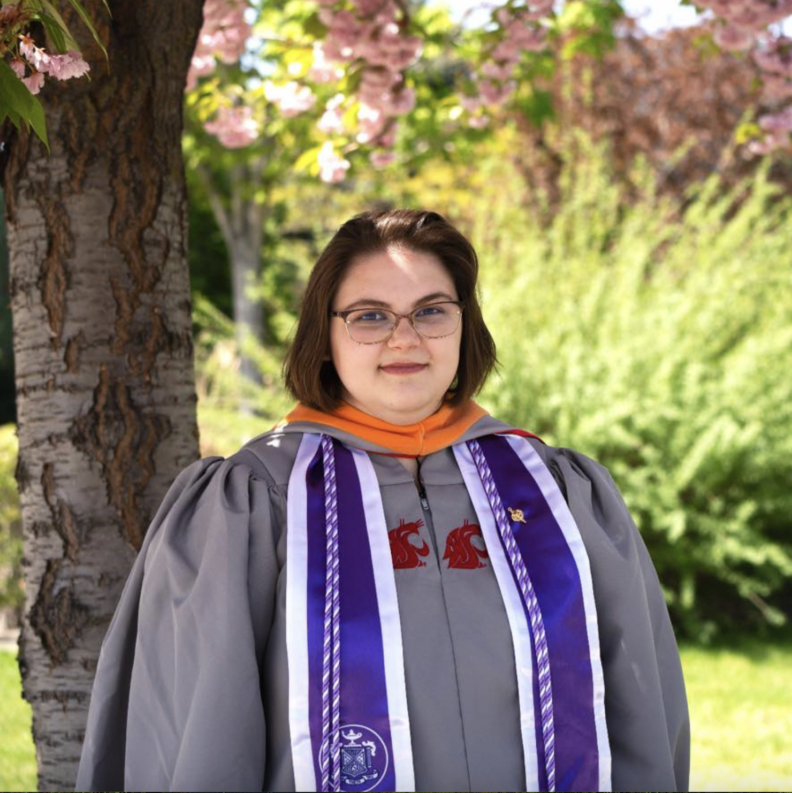
“Sometimes that care has nothing to do with traditional bedside nursing,” she said. “Many times, it simply means listening.”
Brewer also values hearing from veterans’ families. Their stories have helped her understand how military service shaped their lives, too. She remembers how many staff members came to pay their respects during a World War II veteran’s final salute after he died at the medical center.
“It was clear that everyone knew how important it was to show up for the Veteran and their family,” Brewer said.
Showing up for the team
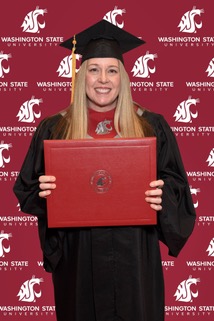
“I believe being a good leader starts with being a good teammate,” Skidmore said. For her, that means communicating clearly, supporting colleagues, and recognizing what each person brings to the team.
Brewer saw that teamwork firsthand when a wildfire forced the Spokane VA medical center to evacuate. She recalled staff working together to move patients safely and reopen the facility once the evacuation order lifted.
From WSU to veterans’ care
Skidmore’s father and six other family members graduated from WSU. A lifelong federal employee, her father encouraged her as she pursued her BSN and a career in federal service.
Brewer earned her Master of Nursing in Population Health and credits WSU faculty members Marian Wilson, Sheila Hurst, Claire Richards, and Natsuko Wood with helping her connect graduate coursework to her role at the VA. Her master’s project focused on skin tone differences in pressure injury prevention.
While at WSU, Brewer served as a student representative on the College of Nursing’s Diversity, Equity, and Inclusion Advisory Council and as a student DEI Advocate. She also served as the college’s liaison to the American Association of Colleges of Nursing’s Graduate Nursing Student Academy, encouraging students to explore opportunities beyond their coursework.
What Veterans Day means to them
For Skidmore, Veterans Day brings back the sound of her stepfather playing Taps on his bugle at services in their Montana hometown.
“I still feel the weight and significance of that tradition every year on Veterans Day,” she said.
Brewer sees the day as a reminder of how veterans have served the country and the respect they deserve. For nursing students interested in caring for veterans, she points to the VA’s transition to practice program for new graduates. Skidmore offers advice for the moment they meet their first patient: be patient, take time to listen, and get to know the person in front of you.
The views and reflections shared in this interview represent the personal experiences and perspectives of the alumna and do not represent the views, policies, or positions of the Department of Veterans Affairs.