The Washington State University College of Nursing acknowledges that our locations statewide are on the homelands of Native peoples, who have lived in this region from time immemorial. And we are committed to supporting Indigenous communities through education, research, and meaningful collaboration. From pre-nursing programs tailored for Native students to international efforts, these projects demonstrate our dedication to advancing health care equity. This article highlights several initiatives and the faculty and partners who are driving this important work forward.
Featured stories:
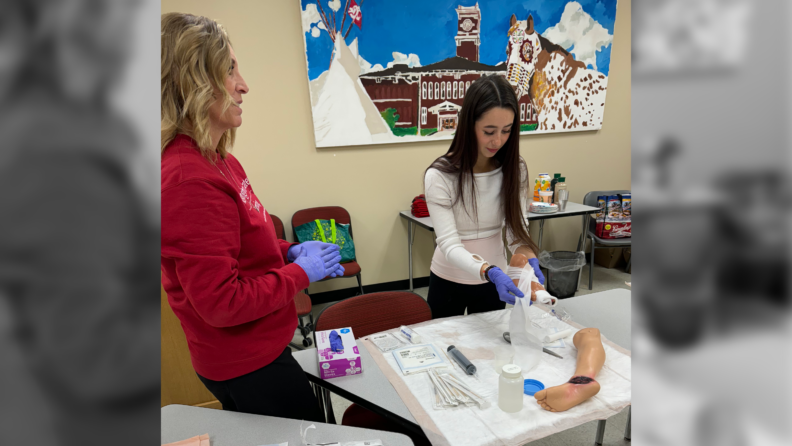
Pre-Nursing Programs Supporting Native Students in Pullman, WA
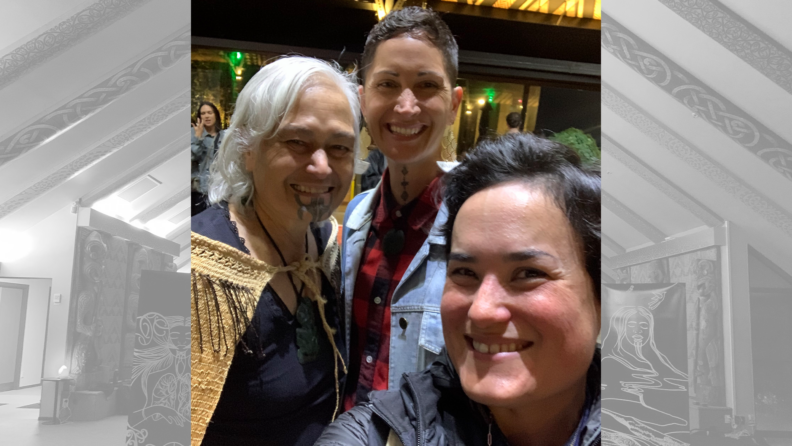
Indigenous Research: Insights from Dr. Melissa Vera

Collaboration with the Indian Health Service (IHS) on Alzheimer’s Disease Education and Resources
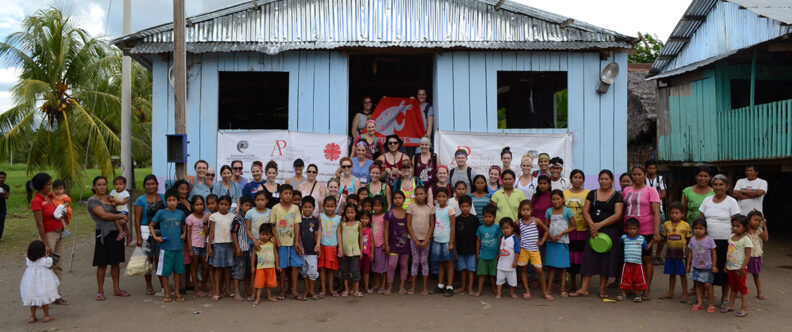
Reviving International Indigenous Programs: Spotlight on Peru
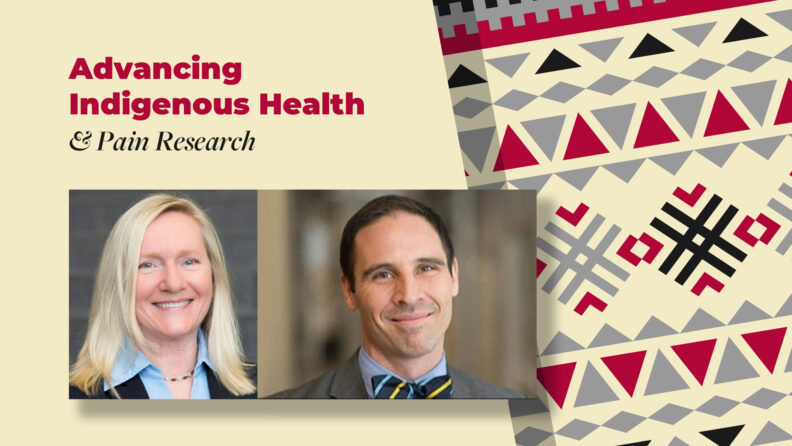
Advancing Indigenous Health and Pain Research
A Unified Vision for Indigenous and Global Health Equity
These diverse projects represent our unified commitment to health equity for Indigenous and underserved populations. From Pullman to Peru, WSU College of Nursing is focused on partnerships and programming that align with cultural values while advancing public health.
These diverse projects reflect WSU College of Nursing’s mission to advance health and well-being through education, scholarship, and community engagement. Guided by the values of COUG CARES—Compassion, Accountability, Respect, Excellence, and Social Justice—our initiatives emphasize culturally respectful partnerships that promote health equity. Whether locally in Spokane, Tri-Cities, Vancouver, and Yakima, or internationally in Peru and beyond, we are committed to shaping accessible health care that meets the unique needs of Indigenous and underserved communities.
How You Can Support These Initiatives?
There are many ways to get involved and support WSU’s Indigenous health initiatives. Whether through volunteering, partnerships, or donations, every effort contributes to improving health outcomes for Indigenous populations.
- Make a gift to the WSU College of Nursing Annual Scholarship Fund
- Learn about the WSU College of Nursing Inclusivity Council
- Follow us on social media for updates
Additional WSU Events Supporting
Native American Heritage Month
| Ruth and Loren Olsen Festival of Native American Music featuring Artist-in-Residence Conor Chee (Navajo) The Ruth and Loren Olsen Festival of Native American Music is an annual event to highlight the depth of Indigenous artistry through performing and educational events. The Artist-in Residence for the 2024 inaugural year will be Navajo composer and pianist Conner Chee. The festival will be held Tuesday, November 12 and Wednesday, November 13. For a full list of events, visit the College of Arts and Sciences School of Music website. The festival is presented in partnership with WSU Student Affairs, the Ruth and Loran Olsen Fund, the Center for Student Organizations and Leadership, and the David G. Pollart Center for Arts and Humanities. |
| We are Still Here: Native American Diversity in Heritage and Research Several of WSU’s Native American faculty will be sharing their research during a panel discussion entitled We are Still Here: Native American Diversity in Heritage and Research, from 2:30-3:30 p.m., on Thursday, November 14. This panel is hosted by the Office of Research Advancement and Partnerships. The discussion will feature panelists: Cheryl Ellenwood (Nez Perce/Navajo), assistant professor in Politics, Philosophy, and Public Affairs and director of the Indigenous Organizations and Data Lab Angel Sobotta (Nez Perce), assistant professor of Cultural Studies and Social Thought and director of Clearinghouse on Native Teaching and Learning Michael Holloman (Colville Tribes), associate professor of Native American Art History Ryan Booth (Upper Skagit), assistant professor of History, focusing upon Indigenous Military History.Moderated by Ken Lokensgard, PhD, co-director for the Center for Native American Research & Collaboration This event will be held via Zoom. Please RSVP online to attend. |
