
Faculty from Washington State University College of Nursing joined more than 900 nurse researchers, students, clinicians, and research leaders from around the world at the Sigma 36th International Nursing Research Congress in Seattle, Washington, July 17-20, 2025. The event, hosted by Sigma Theta Tau International Honor Society of Nursing (Sigma), provided a global stage to share research that advances health care and nursing science.
Three WSU-affiliated researchers presented their work through oral and poster sessions during the four-day conference.
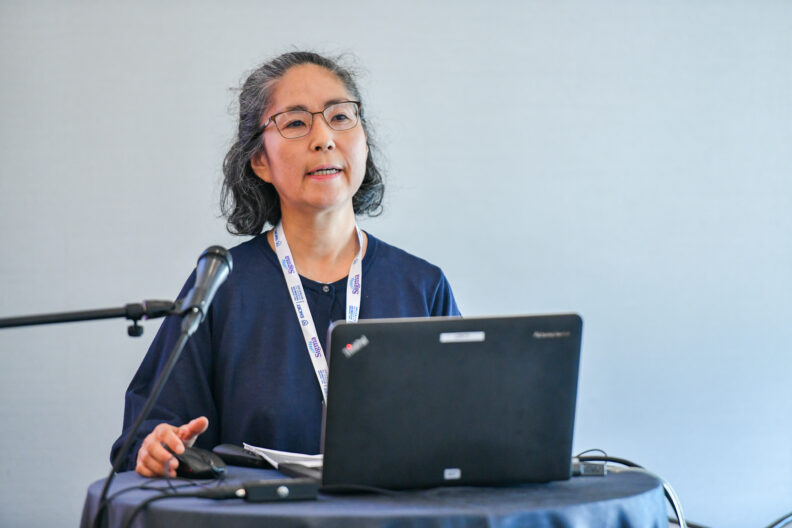
Dr. Natsuko Wood presented Maternal Employment, Breastfeeding Relationships, and Exclusive Breastfeeding during the COVID-19 Pandemic: A Prospective Mixed Methods Study. Surveying 81 mothers across the U.S., the study found that those working outside of the home had the highest exclusive breastfeeding prevalence at 24 weeks, followed by work-from-home and stay-at-home mothers. Findings suggest that engagement with work—rather than work setting—may support sustained breastfeeding. Direct breastfeeding facilitated maternal positive emotional state, while scheduled feeding and solitary sleep resulted in breastfeeding challenges and maternal distress. The study was supported by a Sigma Theta Tau International small grant.
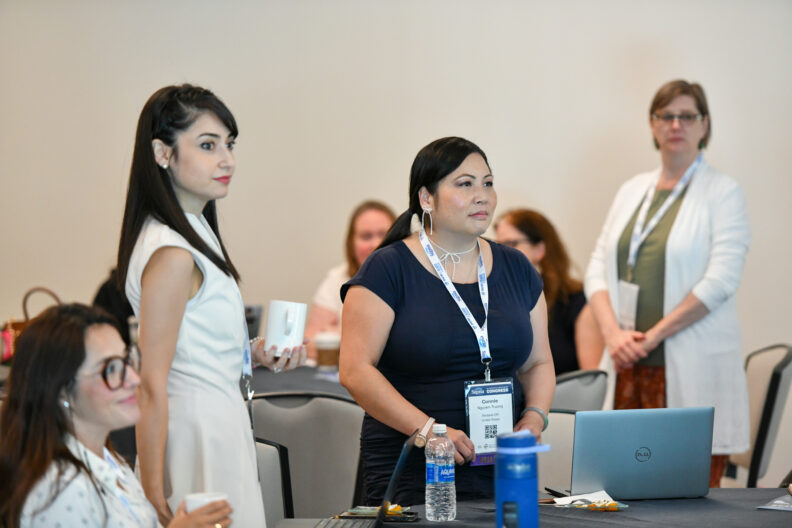
Dr. Connie Nguyen-Truong and former WSU faculty member Dr. Shelly Fritz (now at UC Davis) presented a case study titled Community-Based Smart Health Monitoring System for Older Adults Experiencing Poverty. The research explored a low-cost, sensor-based Smart Health System (SHS) installed in the home of an older adult living alone in subsidized housing. Over 195 days, sensor data detected significant changes in daily routines—ultimately signaling an episode of renal dysfunction. While the system’s automated alerts went to the participant as the first contact, this participant did not respond as intended in this case. The system escalated the alerts to a community health worker who followed up with the participant, who expressed feeling reassured knowing someone was “watching my back”. The case underscores the value of pairing health monitoring technology with human support systems to improve chronic condition management and promote aging-in-place for vulnerable older adults.
Dr. Tullamora Landis gave an oral presentation entitled, Professional Identity in Nursing Scale Development, Testing, and Future Directions. The original Professional Identity in Nursing Scale (PINS) was created in 2020 by a team led by Dr. Landis. The PINS has undergone extensive psychometric testing and revisions based on studies conducted with diverse groups of nurses. Psychometric testing determined the PINS to be a valid and reliable measure. Replication studies are needed to strengthen the PINS psychometrics which will allow researchers to quantify nurses’ professional identity and develop interventions to improve nursing outcomes.
Dr. Jordan Ferris ’25, a WSU College of Nursing PhD in Nursing graduate, presented her dissertation research titled Barriers and Facilitators in the Return-to-Work Process for Nurses After Substance Use Related Licensure. This presentation examined the complex challenges nurses face when reentering the workforce following licensure discipline related to substance use. Barriers included professional stigma, restrictive monitoring requirements, financial hardship, and limited employment opportunities due to employer hesitancy. Facilitators included supportive work environments, peer and mentor guidance, affordable treatment options, and clear communication from boards and monitoring programs. Ferris emphasized the potential of structured, physician-style return-to-practice models to enhance accountability, recovery, and workforce retention, while safeguarding public trust. Dr. Jordan is an Assistant Professor at Oregon Health & Science University.
About the Sigma Congress
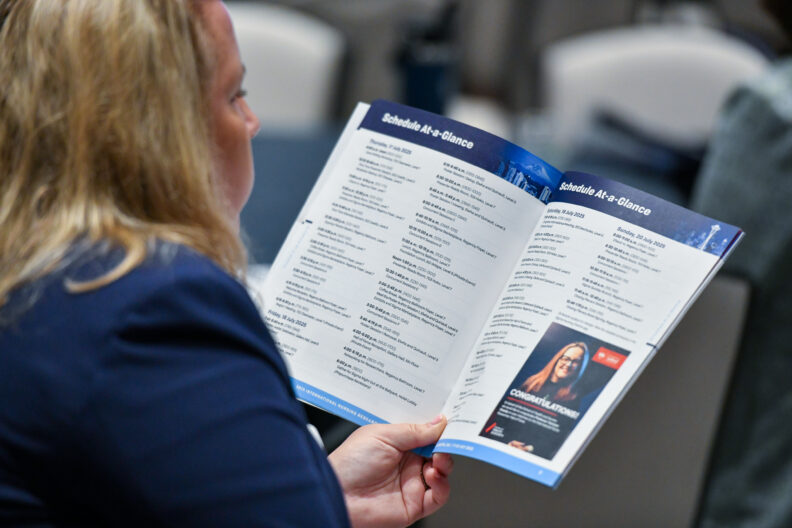
The Congress serves as a platform for nurse leaders and scholars to exchange ideas and foster collaborations aimed at transforming health care globally. Sigma Theta Tau International Honor Society of Nursing (Sigma) — founded in 1922 — supports a network of more than 100,000 members worldwide, including clinical nurses, educators, researchers, and policymakers.
To learn more about Sigma and upcoming congress events, including the 2026 conference in Toronto, visit SigmaNursing.org.