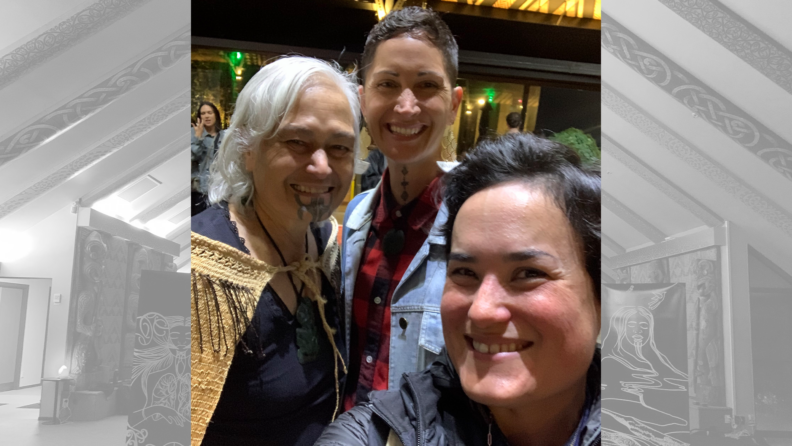
WSU College of Nursing Assistant Professor Dr. Melissa Vera (Tsm’syen and Yaqui First Nations) is conducting research projects that address Indigenous wellbeing, providing valuable insights into improving care by revitalizing culture. Her research bridges the intersection of Indigenous health, climate change, and planetary health, emphasizing the importance of decolonizing research practices and centering Indigenous voices and ways of knowing.
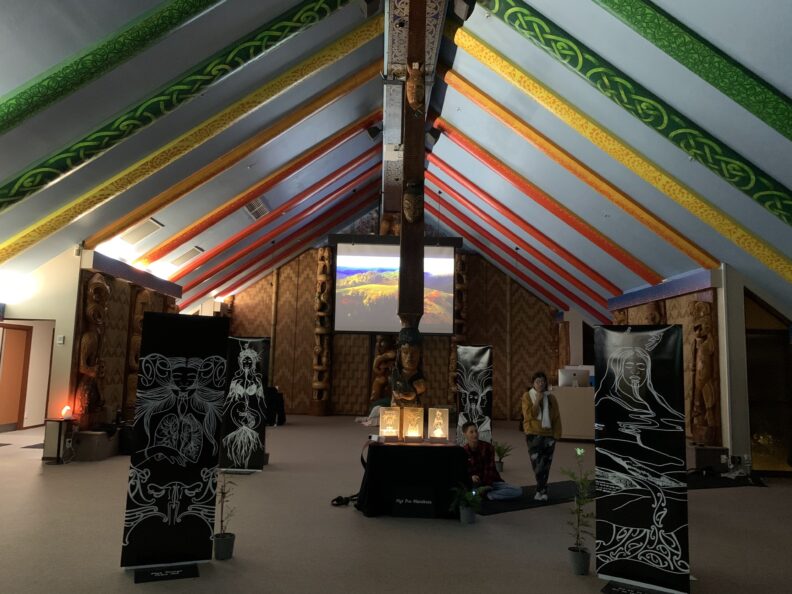
Dr. Vera’s work exemplifies how Indigenous research methods can empower communities and reshape health care. In a recent paper, Whakaāria—A Māori Approach to Reflexive Thematic Analysis, she and her co-author Dr. Deborah Heke, adapted a common data analysis method to better align with Aotearoa New Zealand’s Māori worldviews. This approach emphasizes storytelling, metaphors, and connections to cultural knowledge, allowing the research to reflect the lived experiences of Māori women and feminine deities (atua wāhine).

The goal of the research was to honor and amplify the voices of Māori women by using methods that resonate with their worldview. This paper challenges future researchers to adopt culturally relevant approaches that respect Indigenous ways of knowing. And it not only highlights the importance of centering Indigenous voices in research but also serves as a model for decolonizing Western research practices and promoting health equity through Indigenous science.
I began the lifelong journey of re-Indigenizing myself at the same time I was writing my PhD dissertation and entering the academy. That process helped me to show up unapologetically Indigenous in health science spaces not originally designed for people like me. That has become my ‘why’ and what underpins everything I do: centering Indigenous voices, pushing back on the systems within the sciences and the academy that continue to disregard our knowledges, and to fervently seek out ways to shift those long-entrenched paradigms. With 80% of the world’s remaining biodiversity in the hands of Indigenous Peoples, supporting and centering Indigenous science and wellbeing is how I contribute to healing Mother Earth for all humans and our more-than-human kin.
Through research projects like these, Dr. Vera amplifies Indigenous voices, supports cultural revitalization, and promotes health equity in a way that reflects the values and lived experiences of the communities she serves.
