
Suicide
For Teachers
Josilyn Baugher: Suicide 2 from Washington State University CON on Vimeo.
For Parents
Josilyn Baugher: Suicide 3 from Washington State University CON on Vimeo.
For Youth
Josilyn Baugher: Suicide 1 from Washington State University CON on Vimeo.
Adolescent Suicide Prevention Resources
Websites
The Columbia protocol provides specific questions like a script that you can use to talk to people about suicide. It tells you what to do based on their answers. This provides links to brochures and questions for parents, teachers, and peers.
The Columbia Protocol for Families, Friends, and Neighbors
- This link is more specific for family, friends and neighbors.
- This link is more specific for school staff.
- Here is a link directly to the questions (PDF).
The Washington State Department of Health provides a list of resources you can use if you or someone you know is in crisis.
- You can find additional hotlines and chat resources.
- You can find your county crisis line at this link if you live in Washington.
The National Association of School Psychologists has put together a page for preventing youth suicide that speaks to what parents and teachers can do.
The Pacific Northwest Suicide Prevention Resource Center can provide you with more information about suicide in Washington State and resources available to help people experiencing suicidal ideation.
The Mayo Clinic has an information page on teen suicide which explains what it is, warning signs, and how you can help teens experiencing suicidal ideation.
Documentary
Chooselife.org was created by a father who lost his son to suicide. He made a movie looking deeper into how teenage suicide can be prevented called Tell My Story.
General
MedlinePlus: Suicide
NIH: Teen Suicide
Parents
Ten things parents can do to prevent suicide.
Youth/children/adolescents
Ayuda En Español
Estos son recursos para personas que experimentan ideas suicidas o que intentan ayudar a alguien que experimenta ideas suicidas.
Este recurso aborda los factores de riesgo y las señales de advertencia del suicidio juvenil, así como también cómo los padres y educadores pueden apoyar a los jóvenes que experimentan ideas suicidas.
Este recurso traducido al español destaca estadísticas sobre suicidio adolescente, factores de riesgo, recursos adicionales.
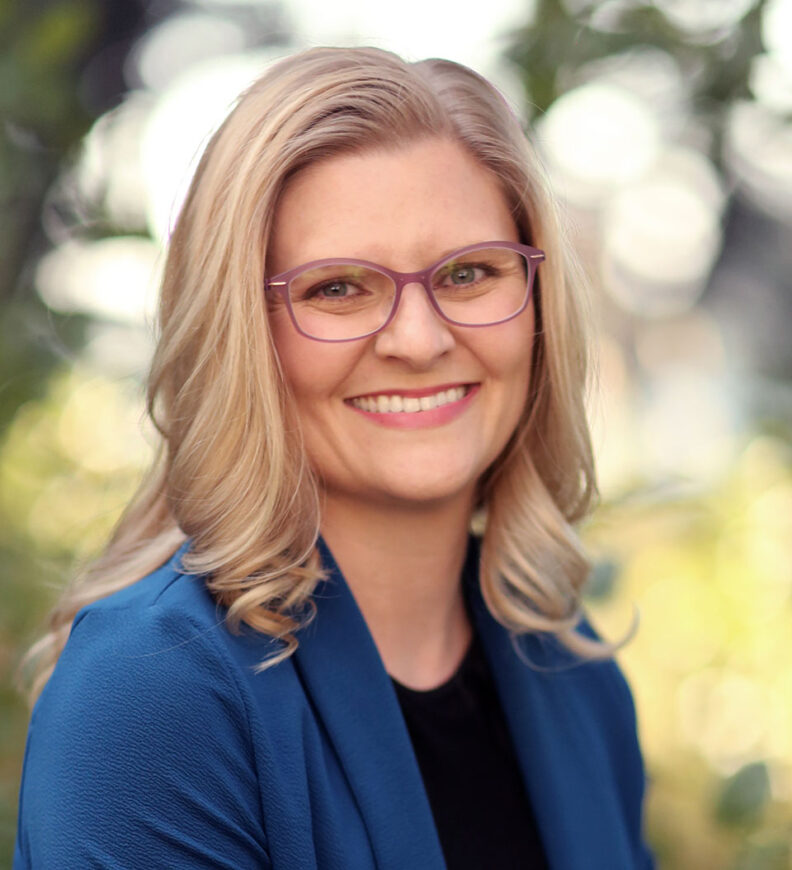
About the author
Hello, I’m Josilyn, I’ve been a nurse for 10 years and I’m passionate about mental health. I am familiar with resources in rural areas of Washington State because I grew up in Cle Elum and continue to live and work in rural Washington. I am currently attending Washington State University to become a mental health nurse practitioner. I chose to provide education about suicide because suicidal thoughts are common and can be scary. I want to encourage open discussions about suicidal thoughts so that people needing help can get connected with resources.
If you are experiencing suicidal thoughts, or a difficult time in your life, I suggest you call the national suicide hotline at 988. It is confidential and can be helpful to talk to someone.
~ Josilyn
February 2023
About Project Tamarack
This was produced by WSU College of Nursing Doctor of Nursing Practice students.
Project TAMARACK was supported by funding from the Innovia Foundation and the National Library of Medicine.
Developed resources reported in this website are supported by the National Library of Medicine (NLM), National Institutes of Health (NIH) under cooperative agreement number UG4LM012343 with University of Washington. The content is solely the responsibility of the authors and does not necessarily represent the official views of the National Institutes of Health.
