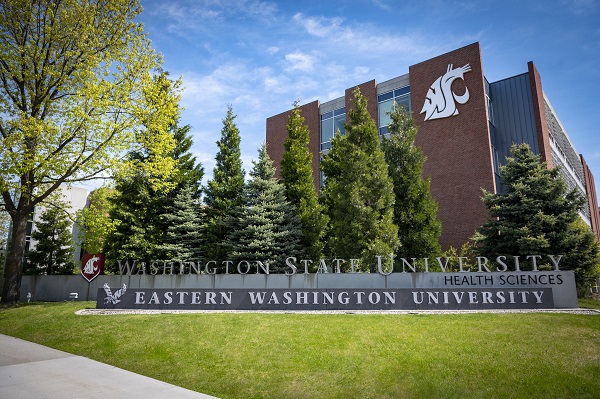
Celebrating
First-Generation
Coug Nurses

In recognition of National First-Generation College Celebration (FGCC), meet four students sharing their nursing journeys and learn how scholarship support can help students pursue their goals. #CelebrateFirstGen
Meet some of our first-generation nursing students
From undergraduate nursing education to doctoral study, these students share a commitment to education and the communities they hope to serve.
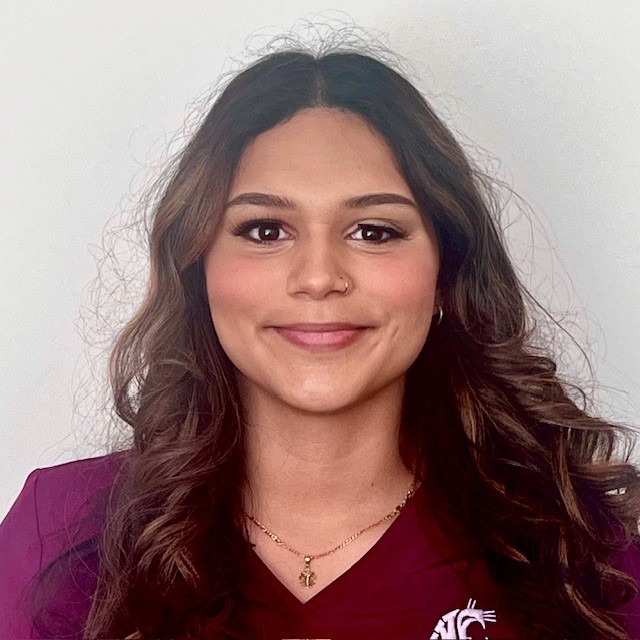
Gema Marin
Growing up in a rural community, Gema faced challenges finding the information and resources she needed to pursue nursing. Those experiences now inform her goals. Through her Honors College thesis, she is exploring racial disparities in maternal outcomes and how nursing practice could make a difference. She hopes to support low-income mothers in rural communities through outreach and eventually become a nurse educator.
I plan to further benefit rural communities in the future with outreach programs committed to serving low-income mothers, targeting social determinants of health in motherhood.
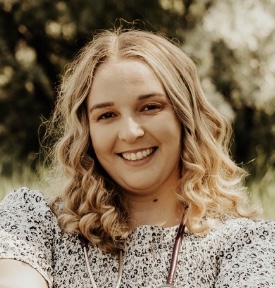
Courtney Isidro
Courtney was the first person in her immediate family to attend college. After earning her associate and bachelor’s degrees in nursing, she continued her education and expects to become the first person in her family to earn a doctorate in spring 2027. Raised in Bridgeport and now raising her children in Quincy, she hopes to use her education to serve rural communities like those she calls home.
Education has been my pathway to a life I never would’ve imagined otherwise.
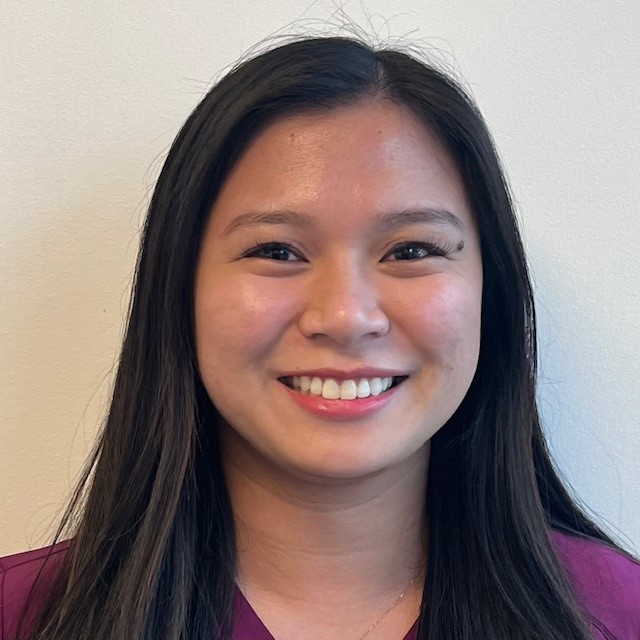
Erika Cataag
Erika moved to the United States in 2020 and returned to school in 2022. Working as a certified nursing assistant inspired her to pursue nursing, building on years of helping with her family’s medical missions in the Philippines. Attending nursing school far from her family has brought challenges, but she has found encouragement through her advisor, classmates, and personal support system. She expects to graduate in 2026.
All of my family is still in the Philippines, and I am the only one who moved to the U.S. Starting a new life and going through nursing school away from my family was challenging, but I found a strong support system at WSU.
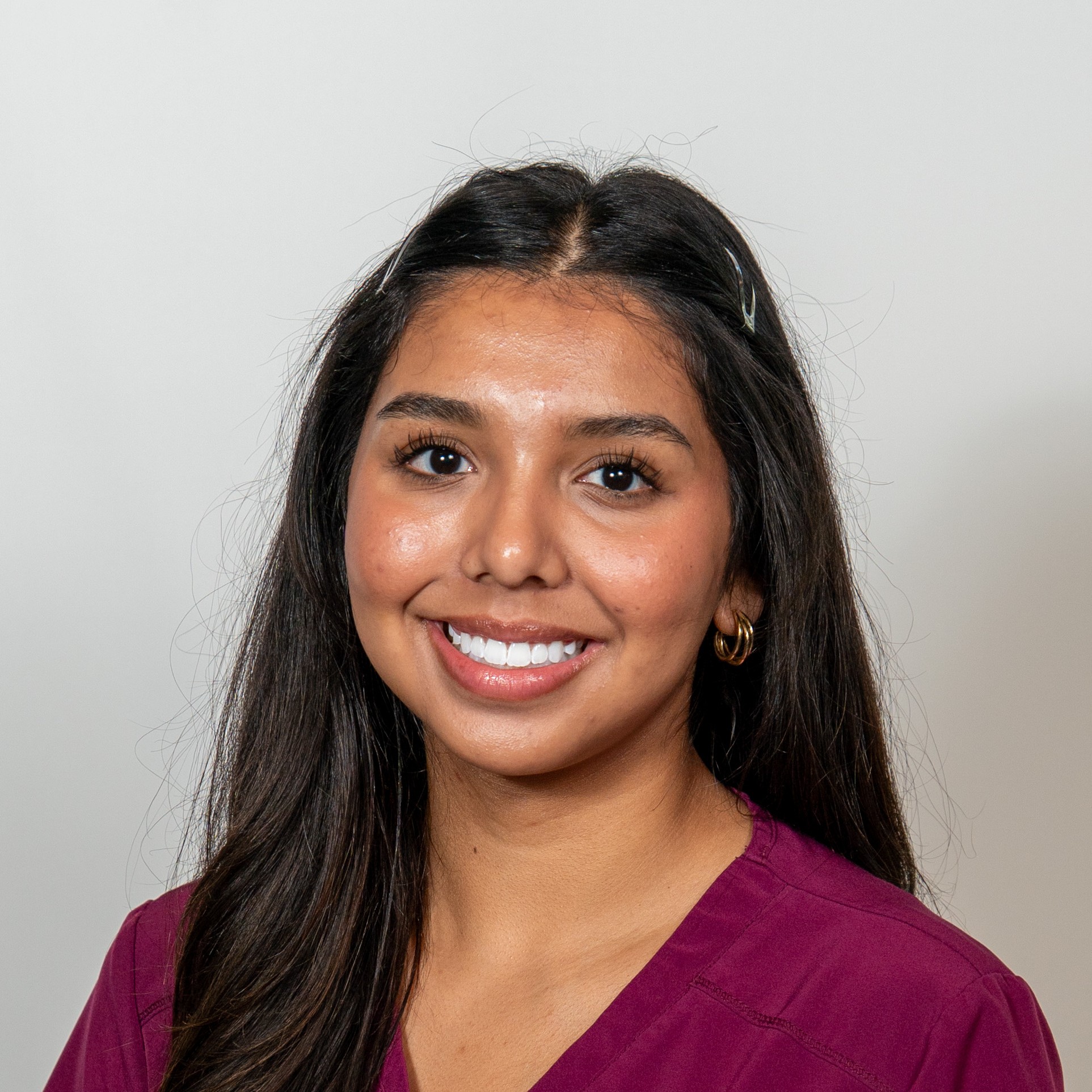
Dalilah Roman
Dalilah comes from a family of Hispanic migrant farm workers in Washington’s Yakima Valley. Her family’s experiences with physically demanding agricultural work and unequal treatment in health care helped shape her nursing goals. As a first-generation student, she wants to combine her bilingual skills, understanding of rural communities, and nursing education to improve care for people whose needs too often go unmet.
I want to bridge these gaps by contributing my bilingual skills, my knowledge of field/rural work, my motivation to providing just treatment, and my passion for medicine.
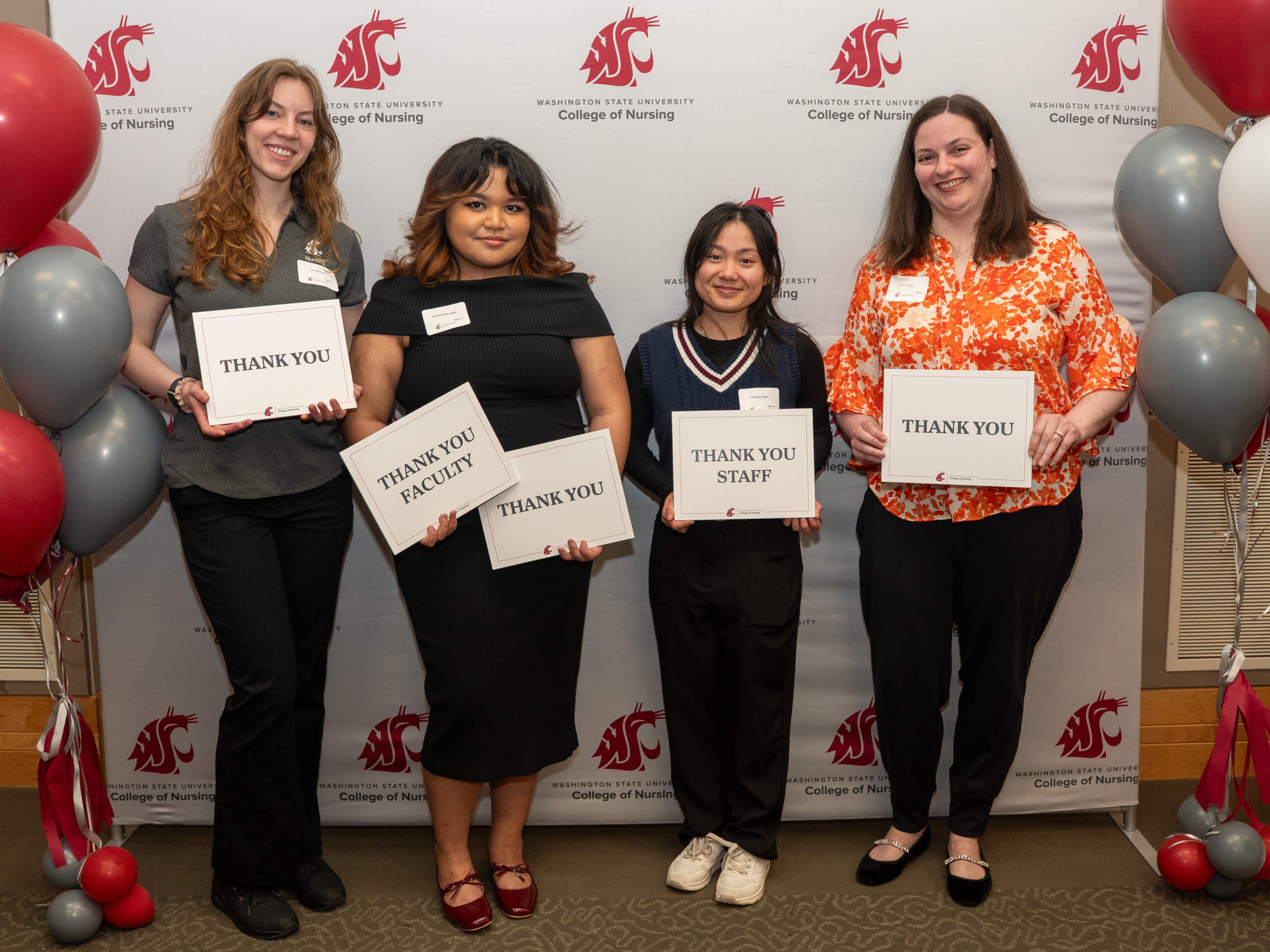
Help students pursue their nursing goals
Scholarships can help make nursing education more affordable, easing financial pressure as students balance coursework, clinical learning, work, and family responsibilities.
A gift to the College of Nursing Annual Scholarship Fund supports nursing students as they prepare to care for others. For donors inspired by these first-generation journeys, scholarship giving offers a way to invest in students and the communities they will serve.
Find support for your journey
College brings questions, and students deserve clear information and people they can turn to. Explore first-generation resources, nursing student support, and scholarship opportunities.